Skip to content
Back Home

Supporting you to grow food

Supporting you to grow food

  • About
  • Substack
  • Consult
  • Foodscaping
    • Permaculture Landscape Design
    • Edible Garden Landscaping (Foodscaping)
    • Edible Forest Gardens
    • Orchard Netted Structures
  • Education & Events
    • Upcoming Events
    • Private Garden Tours for Groups and Individuals
    • Workshops For Councils and Community Groups
    • Fruit Tree Pruning Masterclass
    • Vegetable Patch From Scratch
  • Blog
  • Contact

irrigation installation melbourne


← Previous Next →
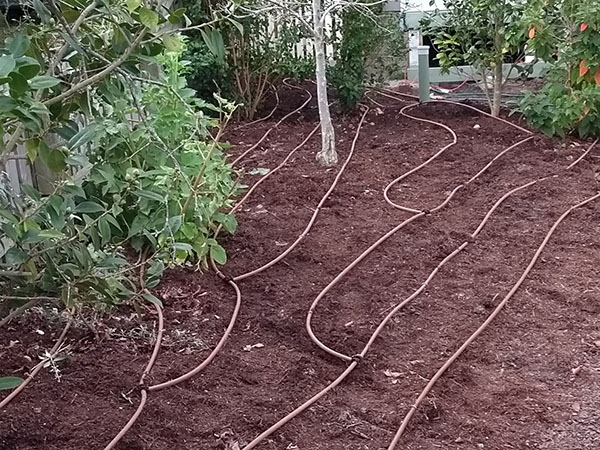
irrigation installation melbourne

Our Recent Facebook Posts

Our Recent Facebook Posts
Leaf, Root & Fruit

leafrootfruit

✅ My gardening to-do list for March I’ll be b ✅ My gardening to-do list for March

I’ll be busy in early March planting broad beans and garlic. 
🧄 https://leafrootfruit.substack.com/p/how-to-grow-garlic
🫘 https://leafrootfruit.substack.com/p/how-to-grow-broad-beans

🍎Picking boxes of apples, pears and nashis. I’ll dry some of the apples because the kids love them, and bottle some of the pears. Any excess fruit will be given away or composted. I’ll continue my summer pruning regime once I’ve harvested the fruit from each tree.
✂ www.leafrootfruit.com.au/guide-to-pruning-fruit-trees/

🍃 The increased humidity and cooler nights will mean the basil will soon become overwhelmed with fungal disease. I’ll turn most of it into pesto before that happens.

🔍 I’ll continue weekly patrols of the orchard to inspect for Queensland fruit fly. I’m specifically looking for ripening fruit to pick before it falls to the ground. I’m also looking for tell-tale sting holes in fruit that indicate the presence of the maggots. More on managing Queensland fruit fly here.
➡https://leafrootfruit.substack.com/p/queensland-fruit-fly-resources

🌽 As summer crops such as sweet corn finish, I’ll remove them and plant green manure crops in their place. This helps to improve the soil and support a healthy soil food web over the winter. I’ll be using a mix of lupins, broad beans, peas, mustard greens and any other spare seeds that I have lying around.
➡ https://leafrootfruit.substack.com/p/bedding-down-growing-grenn-manure

🐝March is peak European wasp season. I haven’t seen many about, but like most of the garden ecosystem they might be a bit delayed this year. They hassle the beehives as the bees are preparing their stores for winter. The aggressive wasps can also affect native insect populations. When I locate a wasp nest, I don my bee suit, grab a shovel or mattock and make nocturnal assaults to destroy the colony.

Check out my latest FREE newsletter for more updates from my garden and what you can plant in March
➡ https://leafrootfruit.substack.com/p/march-2026-planting-guide-garden-update
🌱 What to plant in March With the onset of aut 🌱 What to plant in March

With the onset of autumn, planting options change. I prefer growing vegetables over winter to growing summer edibles. Winter vegetables require less care and attention.
It’s most important that when you select brassica seedlings, such as broccoli and cauliflower, you choose the youngest seedlings. Buying stressed seedlings that look like this will lead to small plants with a very small broccoli or cauliflower head in spring. 

Here’s a guide to some of the things you could consider planting this month in a warm temperate climate like Melbourne’s. My planting guide generally refers to vegetables planted in the garden (as opposed to a greenhouse). This planting may consist of seeds directly sown (my usual and preferred method) or plants transplanted as seedlings.

My Vegetable Patch from Scratch series is popular with both novice and seasoned gardeners alike. It covers everything you might want to know about growing vegetables. It might save you a bit of time and frustration by steering you away from preventable crop failures. Read it here: 
https://leafrootfruit.substack.com/p/a-vegetable-patch-from-scratch-series
Mollycoddled apples and pears It’s shaping up t Mollycoddled apples and pears

It’s shaping up to be a bumper year for my pome fruit. The dry summer has kept the apple scab in check. Some fruit on the outer canopies have suffered sunburn, but most of my apple and pear trees are covered in fruit that is high quality.

There is still no sign of Queensland fruit fly (QFF) in my orchard. But that’s not surprising. I didn’t observe them until 27 March in 2024 and 11 February in 2025. I’ve had some wonderful feedback about my recently published series of posts on what I now consider to be the biggest problem faced in backyard orchards.
➡ https://leafrootfruit.substack.com/p/queensland-fruit-fly-resources

My trees are QFF free, but there’s plenty of codling moth infesting my apples, nashi and pears. This telltale frass at the entrance to the hole is a sign of codling moth infestation. I’m making weekly patrols to remove infested fruit. I place the fruit in a big tub of water to drown the larvae and interrupt the life cycle. 
➡ https://www.leafrootfruit.com.au/codling-moth/

Find out more about managing garden pests at my upcoming workshop Natural Pest Control Made Easy on 14 March. Together we will explore my garden ecosystem and discuss ways you can increase the resistance of your crops to pest attack.
➡ https://site.corsizio.com/event/6927925de5df27d0b04102a1
✂ Summer snip snip February is a great time to ✂ Summer snip snip

February is a great time to do a bit of fruit tree pruning. Traditionally fruit trees have been pruned in winter. This results in vigorous growth of leaves and branches, at the expense of fruit. 

The new growth that follows fruit tree pruning in summer is restrained, and is much less vigorous than the growth that occurs following a winter pruning. Summer pruning allows trees to put more energy into fruit the following growing season.

Winter pruning grows big trees.

Summer pruning promotes fruit.

Once each of my trees has had all its fruit harvested, I usually give it a summer prune. The apricots and a rampant plum tree are next in line for a tidy up. I’ll be getting stuck into these established trees as part of demonstrations at my upcoming pruning workshop. Poor fruit set has allowed my apricot trees to put on too much foliage for my liking. Now is the perfect time to bring the tree back down to size. 

Espaliered fruit trees need attention several times per growing season and mine are now ready for their second tidy-up. Pruning espaliers can seem daunting, but once you’ve got your head around fruiting spurs, apical meristems and sap flow, it becomes so simple. 

Come along to my upcoming summer fruit tree pruning workshop on Friday 20 February to gain the confidence to tackle your own espaliers, fruit tree monsters and even young fruit trees. 

Find out more
➡ https://site.corsizio.com/event/68e3294cfabc9c07a0fa58ed
Berry patch blues In previous years, I’ve learn Berry patch blues

In previous years, I’ve learnt the importance of keeping water up to the berries. But despite activating the irrigation system daily, some parts of the berry patch are still struggling. I find that the first sign of drought stress in cane berries, such as raspberries and blackberries, is diminishing fruit quality. When soil moisture dries around the base of the canes, the fruit doesn’t swell to the usual size. It becomes dry, loses flavour, and in more extreme cases, shrivels and aborts completely. 

My raspberries have struggled to thrive in the heatwaves. I use raised beds to try and contain the runners, but the soil in the raised beds dries out too quickly. The result is shrivelled fruit and scorched foliage.

Once the weather cools, I’ll get to harvest some late autumn raspberries of better quality. But for the next few weeks I’ll be focusing on blueberries instead.

Some of the blueberry plants have also been affected by drought stress, but not to the extent of the cane berries. A few plants have small or shrivelled fruit, probably because they are struggling with some competition from nearby trees. I had always assumed it was the huge bluegums. But earlier this year, when I removed an unwanted apricot tree, I discovered that nearby fruit trees are the more likely culprits. Most of my blueberry bushes have thrived with the daily irrigation. I’ve now stashed 8 kilos of blueberries in the freezer for use over the winter. 

Tickets are selling fast for my upcoming Grow Great Berries workshop on Saturday May 2. Secure your spot now if you’d like to attend.
➡ https://site.corsizio.com/event/69279471e5df27d0b0413b32
My garden is last night’s pizza crust. Find ou My garden is last night’s pizza crust. 

Find out why in my February planting guide and garden update:
https://leafrootfruit.substack.com/p/february-2026-planting-guide-garden-update
What to Plant in February 🌞 February can be a What to Plant in February

🌞 February can be a time of baking hot sun, high temperatures and strong winds. Any new vegetable seedlings will need plenty of care and attention if you are planting them now. 

🌱 Here's a guide to some of the things you could consider planting this month in a warm temperate climate like Melbourne’s. My planting guide generally refers to vegetables planted in the garden (as opposed to a greenhouse). This planting may consist of seeds directly sown (my usual and preferred method) or plants transplanted as seedlings. 

🥕 My Vegetable Patch from Scratch series is popular with both novice and seasoned gardeners alike. It covers everything you might want to know about growing vegetables. It might save you a bit of time and frustration by steering you away from preventable crop failures.
➡ https://leafrootfruit.substack.com/p/a-vegetable-patch-from-scratch-series
The cherry trees have a minor outbreak of pear slu The cherry trees have a minor outbreak of pear slug, and the pear trees have an outbreak of cherry slug. That sounds a bit unlikely until you realise that a pear slug and a cherry slug are the same thing: Caliroa cerasi. 

Their appearance on the leaves of cherries, pears, nashis and quinces is normal for December and January. This year they are not as prevalent as usual. They can skeletonise leaves and hamper the trees a bit (I see this as a good thing – less pruning to be done), but I don’t do anything about them. 

Read more about pear and cherry slug here:
www.leafrootfruit.com.au/how-to-control-cherry-or-pear-slug-in-your-backyard-orchard/
Avo look at this I’ve done it! Early in Decemb Avo look at this

I’ve done it!

Early in December, I cleared a mass of cleavers and fumaria weeds that had grown up and through the canopy of my “Bacon” avocado. It had been around 10 months since I had seen the tree clearly because early in 2025 some self-sown pumpkin plants germinated at the base of the tree and nearly smothered it. As the pumpkin vines died back, the cleavers and fumaria took their place. I was happy to let the avocado plant be smothered, for the weeds provided protection from harsh summer sun and then the cold frosts of winter.

But in early December, as I cleared away the weeds to give the tree more access to sunlight, I spotted them. Two mature avocados hiding in the foliage. I’m often asked whether avocados will grow in my cool temperate climate. Until now, I’ve only been able to say that yes, the trees can grow well, but they are also very easy to kill. Now, I can definitively say that you can grow the trees and produce fruit in my climate. 
What makes this story even more remarkable is that the “Bacon” tree has never had a cross- pollinator. The “Reed” tree that I planted next to the “Bacon”  never flowered, and it died in autumn 2025 during the drought. I’ve since planted a replacement, as well as a second Type A avocado in the place of my recently relocated “English” mulberry (remember my snake encounter?). I now have three avocado trees in my netted enclosure. Two avocados aren’t much to brag about, but as the trees continue to establish, I’m hoping for avo-abundance. 

To help me understand and optimise my avocado growing conditions, I’ve killed dozens of seedling avocado trees in my “avocado graveyard”, all in the name of science. In killing so many trees, I’ve learnt a lot. Read more about what I’ve discovered here:
https://leafrootfruit.substack.com/p/growing-avocados-in-a-temperate-climate
Like tiny mobile composting units, earwigs and sla Like tiny mobile composting units, earwigs and slaters break down organic matter and contribute to the garden ecosystem. Every spring, they set to work on my young seedlings. They have a penchant for beans, cucumbers, basil and especially watermelons. Normally it’s only the early season seedlings that they damage. I can avoid the worst of the problems by waiting until the soil has warmed up to plant. 

Earwigs and slaters appreciate mild temperatures and high humidity. I’ve noticed that planting beans and cucumbers into the garden too early leaves them at the mercy of these tiny lumberjacks, and the early crops amount to nothing more than arthropod food. I’ll often chance planting an early crop of cukes anyway. But I’ve learnt to delay planting runner beans until mid-November when the earwigs are less prevalent. Normally a good guide to timing is to plant when the chocolate lillies (Arthropodium strictum) and the callistemons are flowering . This year, both of those phenological indicators were delayed. I held off planting my runner beans for an extra ten days to try to outsmart the earwigs.

Well, I missed the mark this year. Even though I delayed planting by 10 days, as soon as the seedlings emerged, earwigs and slaters destroyed all but a few bean plants.

I’ve resowed the crop, and the seedlings are being smashed again. I’m just about ready to give up on growing runner beans this season. Sometimes you just need to cut your losses.

It’s been a similar story with my watermelon plants. I planted 14 seedlings, and a month later, only five survive. The growing season is too short to bother replacing the destroyed watermelon seedlings. 

Find out more about managing garden pests at my upcoming workshop Natural Pest Control Made Easy on 14 March. Together we will explore my garden ecosystem and discuss ways you can increase the resistance of your crops to pest attack. 

https://site.corsizio.com/event/6927925de5df27d0b04102a1
🌞 January is a tough time for young vegetable s 🌞 January is a tough time for young vegetable seedlings. They need special care and attention to ensure they survive our baking hot sun, high temperatures and strong winds. That said, it's still possible to establish a vegetable garden at this time of the year. 

📖 The Vegetable Patch from Scratch series is popular with novice and seasoned gardeners alike. It covers everything you might want to know about growing vegetables. It might save you a bit of time and frustration by helping you to avoid preventable crop failures.

➡ Read it here: https://leafrootfruit.substack.com/p/a-vegetable-patch-from-scratch-series

🍅 My planting guide generally refers to vegetables planted in the garden (as opposed to a greenhouse). This planting may consist of seeds directly sown (my usual and preferred method) or plants transplanted as seedlings.

🌱 Here's my guide to some of the things you could consider planting this month in a warm temperate climate, like Melbourne’s.
For the past six months, I’ve taken a break from For the past six months, I’ve taken a break from running workshops, and I’ve missed the sense of connection that comes from having enthusiastic folks visiting my garden ecosystem. It’s not that I need to show it off, it’s more that I love bouncing ideas around with visitors. Sharing in person details of my design, ecosystem features and management systems and all the thought-provoking questions that arise provide me with fresh perspectives. Until this year’s hiatus, I hadn’t appreciated how much I relied on workshops for inspiration and motivation. My classes are so much more than a simple exchange of money for information and insights. They are about fostering connections: connections between people, ideas, nature and each other. I’m keen to make 2026 a year of great connections.

Last month I released tickets to my 2026 fruit tree pruning workshop, and I’m thrilled at how strong the sales have been. For you it means two things:

 🎫 If you’re keen to attend my fruit tree pruning workshop in February, then hurry and book tickets before they sell out. 
 👨🏻‍🏫 I now have a rationale for scheduling more workshops for next year.

💪 When you sign up to workshops now, rather than at the last minute, it gives me the confidence to schedule more and helps to keep this aspect of my small business viable. To help sweeten the deal, discounted early bird pricing is available on all the newly released workshops.

🎁 Workshop tickets make great Christmas presents (better than a dull autobiography or a plastic trinket destined for landfill). You can book a specific workshop online, or I can arrange a gift certificate so your recipient can choose the event they want to attend.

See my upcoming events:
➡ https://site.corsizio.com/portal/5c760289754048c45ae2603d
Follow on Instagram

· © 2026 Leaf, Root & Fruit Gardening Services · Powered by · Designed with the Customizr theme ·