Skip to content
Back Home

Supporting you to grow food

Supporting you to grow food

  • About
  • Substack
  • Consult
  • Foodscaping
    • Permaculture Landscape Design
    • Edible Garden Landscaping (Foodscaping)
    • Edible Forest Gardens
    • Orchard Netted Structures
  • Education & Events
    • Upcoming Events
    • Private Garden Tours for Groups and Individuals
    • Workshops For Councils and Community Groups
    • Fruit Tree Pruning Masterclass
    • Vegetable Patch From Scratch
  • Blog
  • Contact

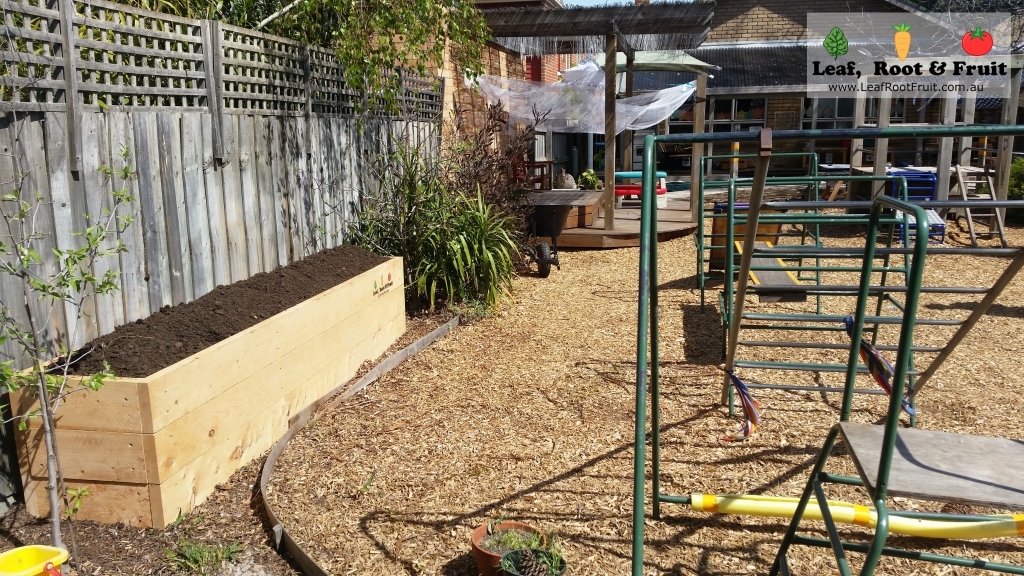
Mentone PreSchool Veggie Patch


← Previous Next →
Raised Garden bed made out of cypress sleepers Melbourne

Mentone PreSchool Veggie Patch


Our Recent Facebook Posts

Our Recent Facebook Posts
Leaf, Root & Fruit

leafrootfruit

The cherry trees have a minor outbreak of pear slu The cherry trees have a minor outbreak of pear slug, and the pear trees have an outbreak of cherry slug. That sounds a bit unlikely until you realise that a pear slug and a cherry slug are the same thing: Caliroa cerasi. 

Their appearance on the leaves of cherries, pears, nashis and quinces is normal for December and January. This year they are not as prevalent as usual. They can skeletonise leaves and hamper the trees a bit (I see this as a good thing – less pruning to be done), but I don’t do anything about them. 

Read more about pear and cherry slug here:
www.leafrootfruit.com.au/how-to-control-cherry-or-pear-slug-in-your-backyard-orchard/
Avo look at this I’ve done it! Early in Decemb Avo look at this

I’ve done it!

Early in December, I cleared a mass of cleavers and fumaria weeds that had grown up and through the canopy of my “Bacon” avocado. It had been around 10 months since I had seen the tree clearly because early in 2025 some self-sown pumpkin plants germinated at the base of the tree and nearly smothered it. As the pumpkin vines died back, the cleavers and fumaria took their place. I was happy to let the avocado plant be smothered, for the weeds provided protection from harsh summer sun and then the cold frosts of winter.

But in early December, as I cleared away the weeds to give the tree more access to sunlight, I spotted them. Two mature avocados hiding in the foliage. I’m often asked whether avocados will grow in my cool temperate climate. Until now, I’ve only been able to say that yes, the trees can grow well, but they are also very easy to kill. Now, I can definitively say that you can grow the trees and produce fruit in my climate. 
What makes this story even more remarkable is that the “Bacon” tree has never had a cross- pollinator. The “Reed” tree that I planted next to the “Bacon”  never flowered, and it died in autumn 2025 during the drought. I’ve since planted a replacement, as well as a second Type A avocado in the place of my recently relocated “English” mulberry (remember my snake encounter?). I now have three avocado trees in my netted enclosure. Two avocados aren’t much to brag about, but as the trees continue to establish, I’m hoping for avo-abundance. 

To help me understand and optimise my avocado growing conditions, I’ve killed dozens of seedling avocado trees in my “avocado graveyard”, all in the name of science. In killing so many trees, I’ve learnt a lot. Read more about what I’ve discovered here:
https://leafrootfruit.substack.com/p/growing-avocados-in-a-temperate-climate
Like tiny mobile composting units, earwigs and sla Like tiny mobile composting units, earwigs and slaters break down organic matter and contribute to the garden ecosystem. Every spring, they set to work on my young seedlings. They have a penchant for beans, cucumbers, basil and especially watermelons. Normally it’s only the early season seedlings that they damage. I can avoid the worst of the problems by waiting until the soil has warmed up to plant. 

Earwigs and slaters appreciate mild temperatures and high humidity. I’ve noticed that planting beans and cucumbers into the garden too early leaves them at the mercy of these tiny lumberjacks, and the early crops amount to nothing more than arthropod food. I’ll often chance planting an early crop of cukes anyway. But I’ve learnt to delay planting runner beans until mid-November when the earwigs are less prevalent. Normally a good guide to timing is to plant when the chocolate lillies (Arthropodium strictum) and the callistemons are flowering . This year, both of those phenological indicators were delayed. I held off planting my runner beans for an extra ten days to try to outsmart the earwigs.

Well, I missed the mark this year. Even though I delayed planting by 10 days, as soon as the seedlings emerged, earwigs and slaters destroyed all but a few bean plants.

I’ve resowed the crop, and the seedlings are being smashed again. I’m just about ready to give up on growing runner beans this season. Sometimes you just need to cut your losses.

It’s been a similar story with my watermelon plants. I planted 14 seedlings, and a month later, only five survive. The growing season is too short to bother replacing the destroyed watermelon seedlings. 

Find out more about managing garden pests at my upcoming workshop Natural Pest Control Made Easy on 14 March. Together we will explore my garden ecosystem and discuss ways you can increase the resistance of your crops to pest attack. 

https://site.corsizio.com/event/6927925de5df27d0b04102a1
🌞 January is a tough time for young vegetable s 🌞 January is a tough time for young vegetable seedlings. They need special care and attention to ensure they survive our baking hot sun, high temperatures and strong winds. That said, it's still possible to establish a vegetable garden at this time of the year. 

📖 The Vegetable Patch from Scratch series is popular with novice and seasoned gardeners alike. It covers everything you might want to know about growing vegetables. It might save you a bit of time and frustration by helping you to avoid preventable crop failures.

➡ Read it here: https://leafrootfruit.substack.com/p/a-vegetable-patch-from-scratch-series

🍅 My planting guide generally refers to vegetables planted in the garden (as opposed to a greenhouse). This planting may consist of seeds directly sown (my usual and preferred method) or plants transplanted as seedlings.

🌱 Here's my guide to some of the things you could consider planting this month in a warm temperate climate, like Melbourne’s.
For the past six months, I’ve taken a break from For the past six months, I’ve taken a break from running workshops, and I’ve missed the sense of connection that comes from having enthusiastic folks visiting my garden ecosystem. It’s not that I need to show it off, it’s more that I love bouncing ideas around with visitors. Sharing in person details of my design, ecosystem features and management systems and all the thought-provoking questions that arise provide me with fresh perspectives. Until this year’s hiatus, I hadn’t appreciated how much I relied on workshops for inspiration and motivation. My classes are so much more than a simple exchange of money for information and insights. They are about fostering connections: connections between people, ideas, nature and each other. I’m keen to make 2026 a year of great connections.

Last month I released tickets to my 2026 fruit tree pruning workshop, and I’m thrilled at how strong the sales have been. For you it means two things:

 🎫 If you’re keen to attend my fruit tree pruning workshop in February, then hurry and book tickets before they sell out. 
 👨🏻‍🏫 I now have a rationale for scheduling more workshops for next year.

💪 When you sign up to workshops now, rather than at the last minute, it gives me the confidence to schedule more and helps to keep this aspect of my small business viable. To help sweeten the deal, discounted early bird pricing is available on all the newly released workshops.

🎁 Workshop tickets make great Christmas presents (better than a dull autobiography or a plastic trinket destined for landfill). You can book a specific workshop online, or I can arrange a gift certificate so your recipient can choose the event they want to attend.

See my upcoming events:
➡ https://site.corsizio.com/portal/5c760289754048c45ae2603d
👨‍🌾 Patching things up 🥕 🎃 I’ve p 👨‍🌾 Patching things up 🥕

🎃 I’ve planted most of my summer vegetable crops. Despite my usually reliable polycarbonate tunnels, the cold soil resulted in poor germination of my pumpkin seeds. But I had back-ups sown in the greenhouse, and those seedlings are now looking lush and healthy under the polycarbonate.

🌽 My sweet corn is another slow starter this year and the November rain helped black nightshade and other summer weeds to germinate. I’ll need to keep on top of the weeding or the nightshade will soon swamp the sweet corn seedlings. I’ve already weeded my sweet corn once, but the black nightshade keeps coming. Once the soil has warmed up, I’ll add a layer of mulch to help smother the weeds.

🧄 My garlic was quickly overwhelmed by garlic rust. Many of the plants have flopped over. This is a sign that it’s time to harvest. I’ll be lifting the bulbs this week. If conditions remained dry they could sit in the soil much longer (one very dry summer, I left the bulbs sitting there until February), but if we got much rain then the bulbs would be likely to rot in the soil.

🍅 Some of my tomato seedlings have set fruit, but the tomatoes are tiny. The plants themselves have perked up after looking a bit miserable following their extended greenhouse stay. It’s hard to believe that last year I harvested a ripe tomato on 23 November, my earliest ever in Kyneton. This year is likely to be my latest ever first harvest. I’m extremely doubtful of any Christmas tomatoes.

💪 But in good news, plants are resilient, and soon enough I’ll be swamped with abundance. The snow peas and asparagus, along with the strawberries, are already keeping me busy. In another month harvesting will be the focus of my gardening activities.
Thinning plums and free-pass pears 🍑 I’ve be Thinning plums and free-pass pears

🍑 I’ve been busy in November thinning fruit. First up was the stone fruit. The nectarines and plums especially needed plenty of fruit removed. I removed some apricots from the “Tilton” tree. It hurt me to do so, as the tree didn’t have much fruit set overall. However, the few apricots were in huge, tight clusters. As I thinned each cluster, masses off earwigs fell out, which helped to justify my approach.

🍎 Last week I spent some time thinning my apples. It’s shaping up to be a fantastic year for apples and I look forward to harvesting as much as a tonne of fruit, or even more. So far, there is no sign of apple scab, but after the regular showers and high humidity of late spring I expect to see it appear on the apple skins and leaves in the coming weeks.

🍐 Pears have me a bit confused this spring. I discussed my “Beurre Bosc” pear tree in my fruit thinning post a couple of months ago and described how I aim to even out its biennial cropping. In last month’s garden update, I described how the blossom on the tree resembled an ornamental pear’s. I predicted that I’d need to do masses of fruit thinning to help even out an anticipated boom year. But the pear has sorted things out for itself. Much of the blossom didn’t set fruit and there is a carpet of aborted immature fruit under the tree. 

🌸 There is still plenty of fruit set on the “Beurre Bosc” tree, but I can’t see a single fruit that I need to thin. This year, somehow, the tree has found its own equilibrium. I’m not sure how or why. Possibly my efforts over the previous few years are paying off. But I don’t think it’s just that. My other pear trees have done the same thing. It’s shaping up to be a wonderful pear harvest without much intervention on my part. Sometimes there is no obvious reason for things and we should relax and enjoy a get-out-of-work pass. Thanks pears!

Read more about thinning fruit here:
➡https://leafrootfruit.substack.com/p/fruit-thinning-for-fat-fruit
✅ What to plant in December ❓ At this time of ✅ What to plant in December

❓ At this time of the year, I often get asked whether it’s too late in the season to plant a vegetable or herb garden. Except for the middle of winter, you can start an edible garden at any time of the year. It's all about choosing the right plants. Most of the spring planting options are still applicable. In December, you'll just have to be careful to keep the young plants well watered during periods of hot weather. Your harvest will begin later than in earlier planted gardens but will continue long after the early gardens have been pulled up to make space for next winter's crops.

🌱Here's my guide to some of the things you could consider planting this month in a warm temperate climate, like Melbourne’s. My planting guide generally refers to vegetables planted in the garden (as opposed to a greenhouse). This planting may consist of seeds directly sown (my usual and preferred method) or plants transplanted as seedlings.

🥕 For more details about what to plant now, read my FREE garden update and planting guide:
➡ https://leafrootfruit.substack.com/p/december-2025-planting-guide-garden-update
🌸 My stone fruit trees have also blossomed well 🌸 My stone fruit trees have also blossomed well this spring. I was concerned that my apricots were going to have an “off year” after their bumper crop last summer. But I must have managed the fruit thinning perfectly, because the trees were once again covered in blossom.

But their magnificent display quickly faded. In the weeks that followed, most of the blossom dropped to the ground, victims of blossom rot. This fungal disease proliferates when conditions are humid at the time of blossoming. Apricots are extremely susceptible.

After the blossom fell, both my apricot trees continued to deteriorate. Gummosis set in, with sap oozing from the bark as the new foliage on affected branches withered. On my “Divinity” tree around half of the foliage has died back. The tree is looking sickly but still carrying a handful of fruit. The “Tilton” looks marginally healthier – it’s carrying a few handfuls of fruit and has far less dieback. But it’s still struggling. 

Just this week, I noticed that some of the immature fruit is going mouldy. I’ve now gone from the promise of bountiful blossom and dreaming about drying or bottling buckets of surplus apricots to crossing my fingers that the dreaded Queensland fruit fly will be slow to emerge and I’ll manage to salvage a few apricots to eat fresh.

At least it vindicates my decision to omit apricots from my post Ten Fruit Trees You Should Include in Your Backyard Orchard. One thing is for sure, Kyneton ain’t apricot country. Conditions are too humid in spring and the trees struggle in our climate. Good harvests are possible, but only when all the climatic hurdles are cleared – and for apricots there are a lot of those. 

❓How are your apricots looking this spring?

📖See my FREE November garden update for more happenings in my garden
➡https://open.substack.com/pub/leafrootfruit/p/november-2025-planting-guide-garden-update?r=2aoogj&utm_campaign=post&utm_medium=web
⏰🧄 Like everything in the garden this spring, ⏰🧄 Like everything in the garden this spring, the garlic scapes (flower stalks) have been slow to emerge. I love harvesting garlic scapes – they’re delicious. Removing them allows the plant to invest more energy into forming a large bulb. More on that here:
➡ https://leafrootfruit.substack.com/i/145745618/what-varieties-to-choose

❓ No scapes on your plants? There are two main types of garlic: softneck and hardneck. The “neck” refers to the stem that grows up through the centre of the bulb. Only hardneck varieties will produce scapes.

Softneck garlic is great because it stores longer. Hardneck garlic has large bulbs with huge cloves. It doesn’t store as well, but I prefer it for how easy it is to prepare for cooking, and it has better flavour.

If there are no scapes emerging from your garlic, you’re probably growing a softneck variety.
🏇 Giddy up, it’s the Melbourne Cup! 🍅 The 🏇 Giddy up, it’s the Melbourne Cup!

🍅 There’s so much different advice about when is the best time to plant tomatoes. Some folks say AFL Grand Final weekend is a fantastic early opportunity (the last weekend of September) and I agree that for Melbourne it’s an okay time to plant. Others advocate for patience and waiting another month or so for the soil to warm up (my Fool’s Garden experiment is a great example of why patience is a good strategy). Regardless, in southern Australia, the first week of November is usually a good time to get planting. Coincidently, many of us Victorians have a public holiday on the first Tuesday in November for the running of the Melbourne Cup, or as I like to think of it, a day off work to do some gardening.

❄ In my part of the world, the risk of a late frost is always lingering. Last week, we had frosts on two consecutive mornings. Given that most of my garden observations are aligning with what I observed in 2022, I reckon this year, the last frost is going to be late, very late. 

🐴 But I can’t sit around waiting for the perfect conditions to arrive. My growing season is very short. Normally Cup Day is time to get cracking, or I’ll be out of the running.
 
⏰ I followed my plan for sowing my tomato seeds this year. But despite my best efforts, they’re also suffering from the spring stutters. The plants don’t look as perky as they normally do at the start of November. Nor are they as big. There are a few flowers, but nowhere near the number of fruit that last year’s plants had set by Cup Day. Given the likelihood of lingering late frosts, I’ll hold off transplanting them for another week or two. 

❓ Could this year be the first in over a decade that I don’t get to harvest a Christmas tomato? There’s a good chance. How are yours looking?
✅ Here's a guide to some of the things you could ✅ Here's a guide to some of the things you could consider planting this November in a warm temperate climate like Melbourne. 

🍎 I've put together a lengthy blog post on spring planting options. It lists lots of hints and tips for growing the various options, including recommended varieties.
➡ https://www.leafrootfruit.com.au/spring-planting-guide.../

🌱 My planting guide generally refers to vegetables planted in the garden (as opposed to a greenhouse). This planting may consist of seeds directly sown (my usual and preferred method) or plants transplanted as seedlings.
Follow on Instagram

· © 2026 Leaf, Root & Fruit Gardening Services · Powered by · Designed with the Customizr theme ·