The Strait of Hormuz is closed, fuel prices are skyrocketing and the term panic buying is cropping up more and more. Fortunately, the toilet paper shelves are fully stocked, but the rising cost of fuel will spread its spectre everywhere. Farmers rely on fuel to sow and harvest crops. Fuels cost will affect shipping of fertiliser, delivering raw materials to warehouses and factories and then distribution to supermarkets.. This price we pay for food at the checkout is going to rise. The good news is that it will take time for these knock-on effects to play out. Time that you can put to good use growing food and reduce your future grocery bills.
My own household is relatively self-sufficient at this time of the year. It’s an abundant time in the garden. I’m picking boxes of fruit and vegetables every day and preserving them for the lean winter ahead.
But not everyone invests the time that I do into growing their own food. If that’s you, then this action plan will kick start your edible gardening journey and increase your household resilience during the current crisis.
This Panic Gardening Action Plan assumes that you are based in Melbourne or surrounding areas of Victoria. It also assumes you have relatively limited space and that you are going to implement it in the next fortnight (ie before the middle of April, but the sooner the better).
Based in Central Victoria? Sorry, but it’s getting too late to plant most winter vegetables and your options are limited. Check out my planting plan for Central Victoria for what you can plant here.
Timing is everything
Melbourne based gardeners are currently experiencing autumn weather. That means cool, damp nights and sunny days. The soil temperature is still warm, but that won’t last long. Once soil temperatures cool during April, plant growth will slow or completely stop. If you are going to plant yourself an edible garden to offset the rising fuel prices you’ll have to act fast.
The other thing to consider is that there is no such thing as an instant carrot (or any vegetable for that matter). So even if you start today, it’ll weeks or even months before you start to harvest your own home-grown food. Let’s be realistic, you’re not going to be able to quickly grow enough food to keep your family fed during the next few months. However, it’s still worth giving it a go to supplement your food and give you something positive to focus on.
Preparing the soil for Panic Gardening
Are you growing in pots or in the ground? Think outside the square, can you use your nature strip, a balcony or perhaps even a friend or relative’s garden.
Remember, most edible plants require full sun, so forget about trying to grow produce on a south facing balcony.
The winter sun tracks very low across the northern horizon in Melbourne. Shadows are very long in June and July, so give careful thought to where you will locate any vegetable patches. More on determining shade and sun areas in your garden and where to locate your vegetable patch here.
If you are growing in pots, then the potting mix that you use can make a huge difference to your success. Make sure you use a quality potting mix (not necessarily expensive). See my blog posts on potting mix and also fertiliser trials to help you understand this more.
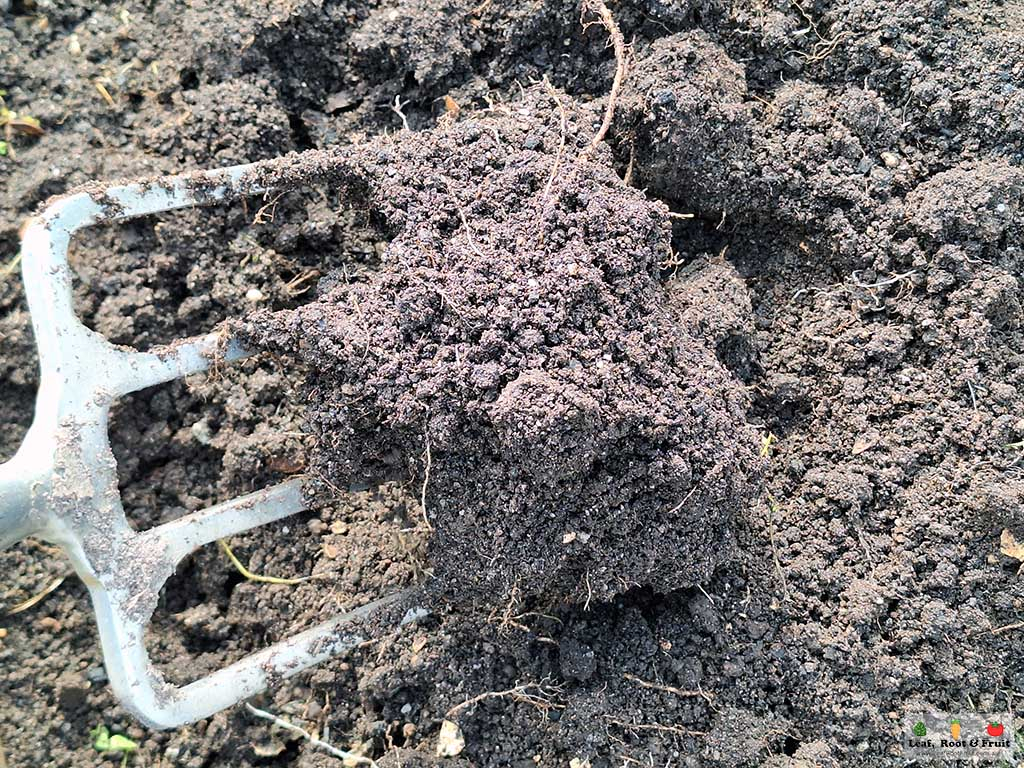
A cheaper alternative than using pots is growing in the ground. I recommend renters dig over a patch of the lawn and get growing. At the end of your tenancy, you can easily re-seed a still have your bond returned (more tips for rental gardens can be found here). When preparing soil this way, start small at first and keep it achievable. Once the first section has been planted you can always return and extend it. Remove the existing grass and vegetation from the garden bed and dig in some quality compost before planting. More on growing food in the ground here.
What to plant
For those of you with plenty of space (and time) my autumn planting guide is a great place to start. It covers all the planting options for Melbourne based gardens at this time of the year.
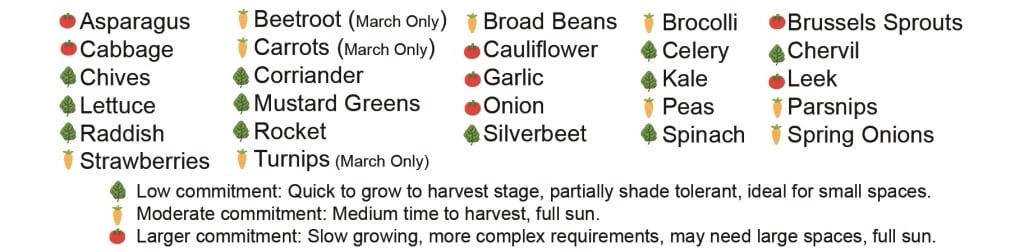
For those of you with limited space and/or time here’s a list of plants to grow, in order of priority:
Leafy greens
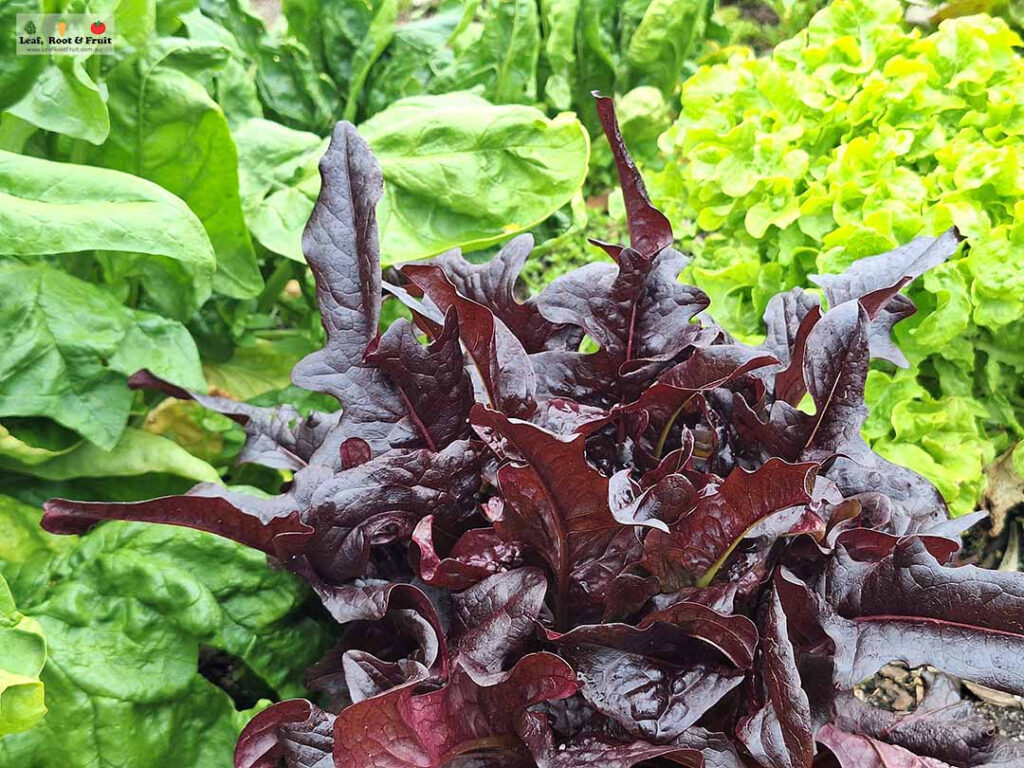
See my Philosophy of Edible Gardening for a full explanation of why I focus on growing leaves (and why my logo resembles the colours of a traffic light). Head to a plant nursery and purchase some large seedlings of lettuce, silverbeet, spinach and kale. These should be ready to start harvesting in four to six weeks – which is why they should be your top priority. Most other crops are going to take much longer to produce. You can also grow your leafy greens from seed, but transplanting established seedlings will reduce your harvest time by two to four weeks.
Your lettuce plants won’t be productive forever. To ensure a continuous supply, you’ll want to follow up and regularly plant new crops. This is called succession planting. My leafy green trial gives you some idea of how this works and the frequency to plant each crop:
Broccoli and cauliflower
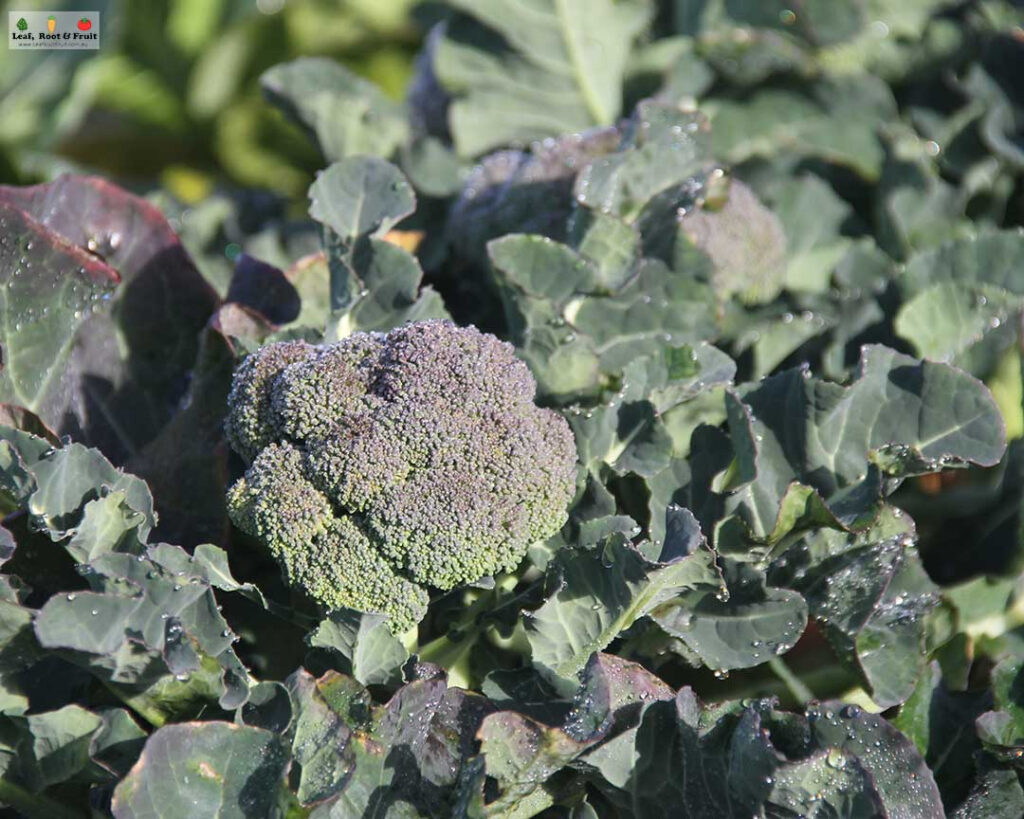
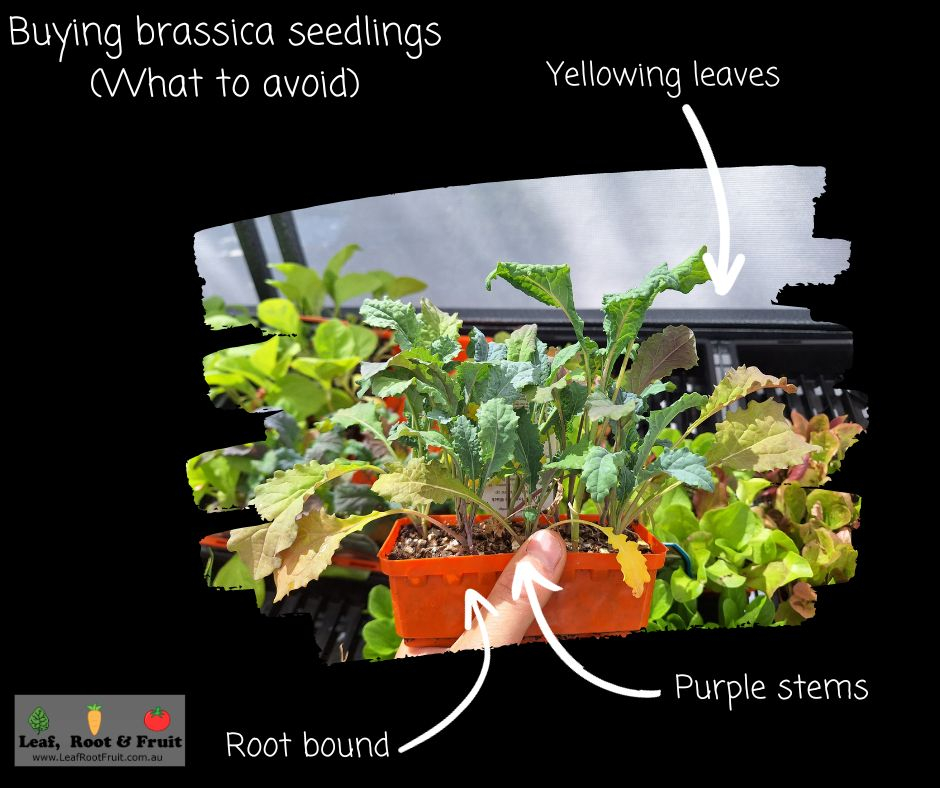
While you are at the plant nursery getting the biggest lettuce seedlings you can find you should also grab some broccoli and cauliflower seedlings. However, this time you want to grab the SMALLEST plants you can find. This is because brassica seedlings (which also includes cabbages and Brussels sprouts) hate to get root bound or stressed. Large seedlings are likely to be already stressed and will quickly bolt to seed. This means you will have very small plants with a very small broccoli or cauliflower head. It’s a common mistake that many gardeners make (read my Top Ten Mistakes post for the rest). Instead purchase seedlings with only one or two true leaves. More on choosing Brassica seedlings here.
Broccoli and cauliflower will take much longer to produce than lettuces or radishes. You’ll also need to protect them from cabbage white butterfly at this time of the year. Use some insect netting or even some old terylene curtain fabric to stop the butterflies from laying eggs on the seedlings or you may as well not bother planting them. Net them straight away.
Once you’ve harvested the main head of a broccoli plant they will send out plenty of smaller side shoots to harvest. It’s best to plant more broccoli than cauliflower as you’ll get more harvests out of them.
Snow peas (or sugar snap peas)
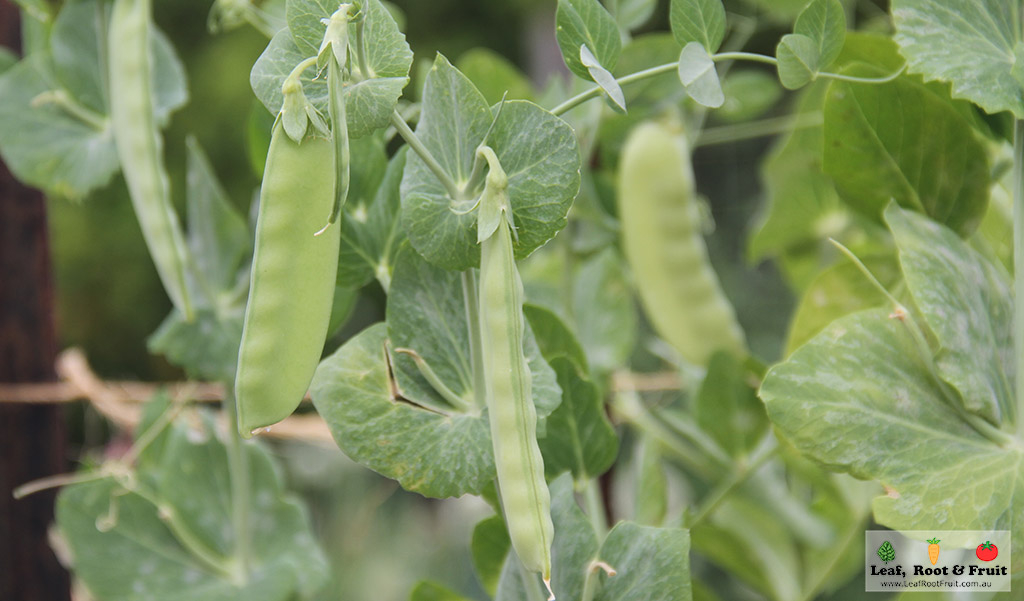
These take even longer again than brasscias to reach harvest but they are fun to grow. My kids love growing peas. Snow peas will be a bit quicker to reach harvest and the cropping period is longer than for sugar snap peas. Peas can be trained up a trellis or garden stake tepee to maximise use of space (more on trellis options here). They don’t transplant that well, sow seeds directly at the base of your trellis.
Beetroot
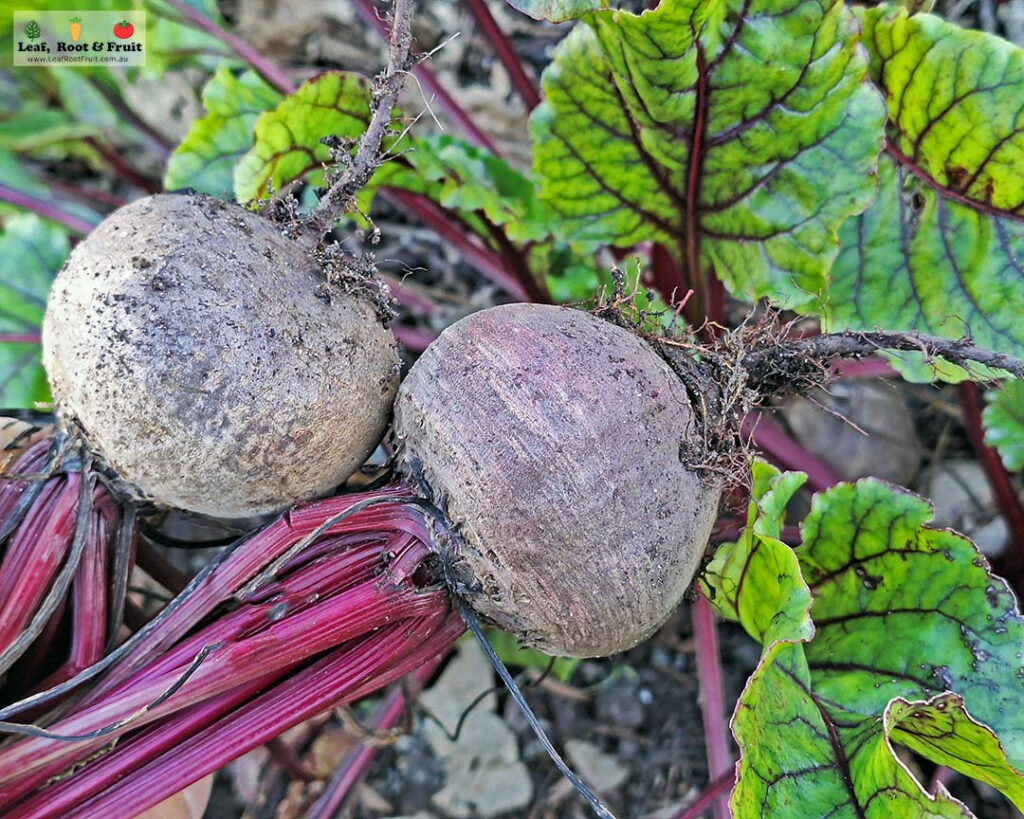
Beetroot is relatively quick to germinate and grow, but may take a while to develop the swollen root. The leaves are also edible. Beetroot can be grown from seedling or seed.
Radishes
Radishes are quick to harvest and don’t take up much room. Combined with their quick turnaround to harvest they are great for filling the spaces in between larger vegetables that are still establishing. Every few weeks sow enough seeds for a small crop to keep you in continuous supply.
Turnips
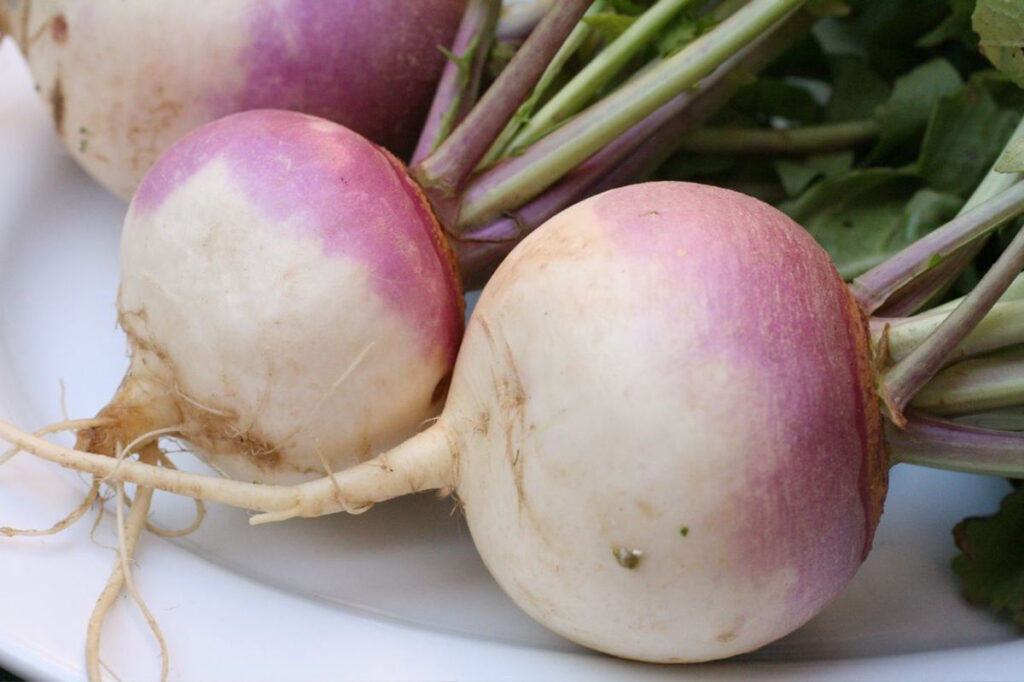
Turnips are easy to grow but there are only so many you can eat. Plant them sparingly.
Always grow turnips from seed. Like broccoli and cauliflower, your turnip seedlings will need protection from cabbage white butterflies in April.
Broad beans
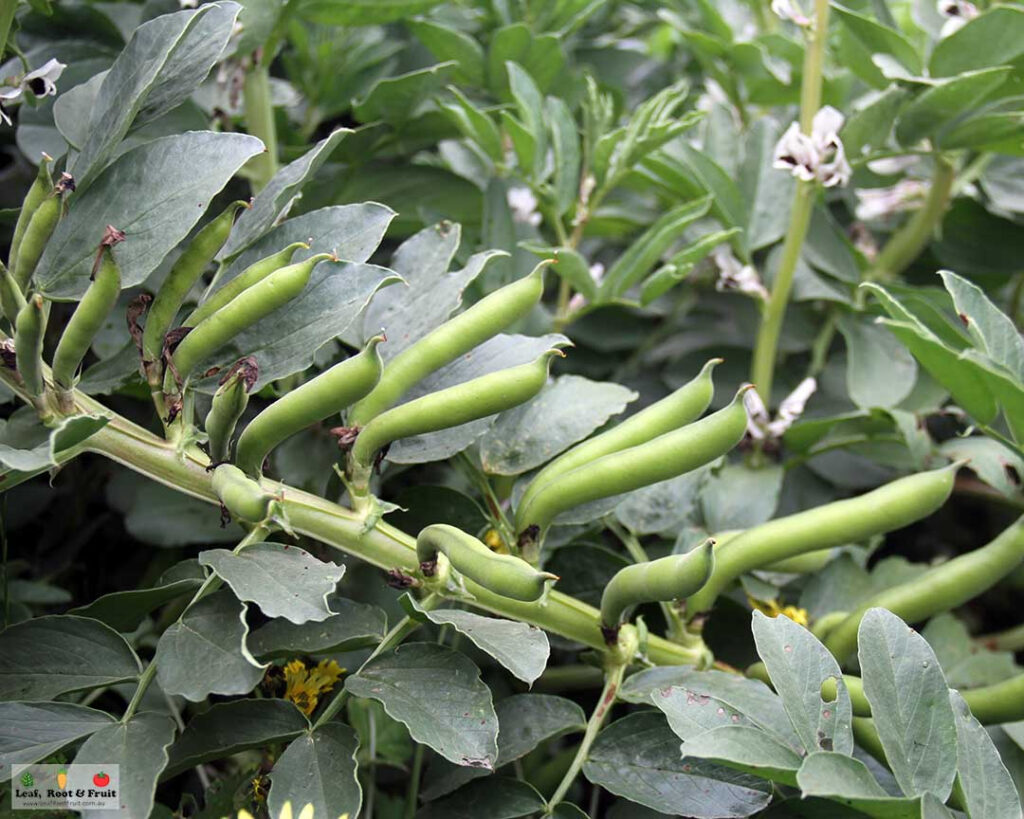
Broad beans are a fast-growing crop. However, in Melbourne they never produce pods before early to mid-spring and they can dominate a small vegetable patch. If space is limited, then give them a miss. But if you have the space, it’s worth giving them a go. The leaves and flowers are also edible (and taste just like the pods). These parts of the plant can be added to salads etc while you wait for pods to appear.
Flowering Plants
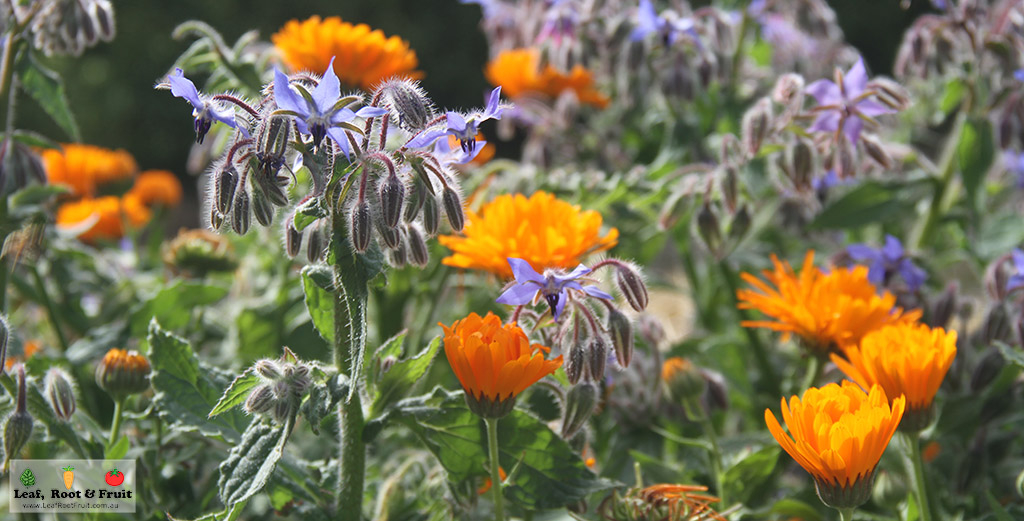
Now is a great time to sow a range of flowering plants that are great for attracting beneficial insects into the garden. Flowers are an important part of creating a healthy garden ecosystem. Consider sowing sweet peas, calendula, corn flower, cosmos and poppies to enhance your outdoor space. Once established, you can pick some of the flowers to give to those who need a bit of cheering up in these tough times.
What to AVOID planting now if you are focusing on the crisis in the short term
Garlic
Now is the right time to start planting garlic. But you won’t harvest it until late in 2026 or even early 2027. You won’t be able to use space dedicated to garlic to plant summer crops in spring, such as tomatoes, zucchini or cucumbers. If space is limited, don’t waste precious room on a crop of garlic. The same goes for onions.
Brussels Sprouts and cabbages
Both of these brassica plants take up a lot of space and take a long time to harvest. Better to plant extra broccoli and cauliflower plants instead as they reach maturity faster. If you have a large vegetable patch, then it can’t hurt to include a few cabbages to give you some variety. But it’s a bit late for planting Brussel sprouts.
Large brassica seedlings
As mentioned above, they won’t amount to anything so don’t waste your time and money. When it comes to Brassica seedlings small is better. Large seedlings with purple stems and yellowing leaves must be avoided.
Any summer crops
The cold weather will kill the seedlings such as tomatoes, eggplants, capsicums, cucumbers and sweet corn in the next few weeks. Focus on your winter crops instead. You’ll have to wait until late October or November to plant your summer crops in Melbourne.
Most root crops
I have established crops of potatoes and carrots sitting in the soil, where they’ll happily keep all winter. But if you try to grow them this late in the season they’ll take too long to develop in the cold soil. Thanks to photoperiodism, in spring they may amount to nothing anyway. If you’ve got plenty of space, then you could certainly sow some carrot or beetroot seeds now. You just may have to wait a while before you can harvest them. Never transplant root crop seedlings (except for beetroot) as they end up a forked and tangled mess. Grow root crops from directly seed instead, here’s how.
Where to from here?
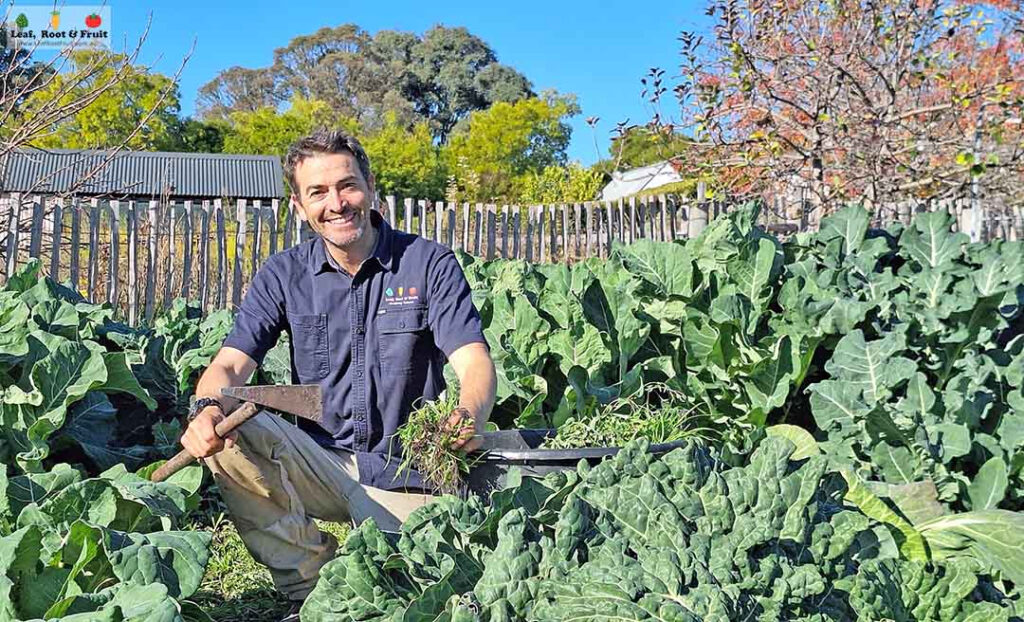
Hopefully you find growing your own food rewarding and continue beyond the current crisis. Doing so will increase your household resilience (so you’ll be ready for the next crisis!).
My Vegetable Patch from Scratch series is popular with both novice and seasoned gardeners alike. It covers everything you might want to know about growing vegetables. It might save you a bit of time and frustration by steering you away from preventable crop failures. Short on time? This post gives a great overview of what you need to know about setting up a brand-new vegetable patch and where to begin.
Winter is a great time to plant fruit trees and take your food gardening to the next level. Stat planning now, this post gives a good overview of what to consider when planting fruit trees.
Sign up to my newsletter for a planting guide to be delivered directly to your inbox each month. Each edition is packed full of tips and hint on growing your own food.